
Intellectual Property, Patents, and Licensing
Securing a patent is one of the most effective ways to transition your technology from the laboratory to the commercial market.
Patents enhance your professional profile, showcasing your innovation and technical expertise.
Patents offer the potential to generate revenue through licensing royalties.
For joint inventions involving other labs or universities, we can provide comprehensive support to ensure your intellectual property is fully protected.
The Intellectual Property, Patents, and Licensing Process
STEP 1: CLASSIFICATION AND OWNERSHIP OF IP
Determine Ownership of Intellectual Property (IP)
Classify the IP into one or more of the following categories:
Patents (Inventions)
Trademarks (Identify source of a product or service)
Copyrights (Expression of ideas)
Trade Secrets (Secret information with commercial value)
Definitions:
“Controlled information” is sensitive information that does not meet the criteria for classification but must still be protected. It is UNCLASSIFIED information that allows for, or requires, safeguarding and dissemination controls in accordance with laws, regulations, or Government-wide policies. Controlled Information must still protect ITAR restricted information.
“Classified information” is information that requires protection against unauthorized disclosure in the interests of national defense and security or foreign relations of the US pursuant to Federal statute or Executive Order. CRADA’s do not typically allow for classified information to be shared. A Classified CRADA can be negotiated based on the circumstances of the project.
Identify Ownership of the IP:
Sole Inventions: owned by the party that invents
Joint Inventions: owned jointly
Disclose Background IP and Protected Information
IP must be marked and reduced to writing.
30 days is required to reduce oral or visual disclosures into writing.
Background technology must be disclosed in the CRADA Work Plan (Section II)
This includes anything that is being brought into the CRADA by either party.
Restricted access information may be exempt from FOIA requests for 5 years.
Records of all background technology and protected information must be kept in the CRADA file.
Neither party will be liable for release of unmarked background technology or protected information.
Provide Required Collaborator Information
Definitions:
A “Domestic Collaborator” is defined as a company who is incorporated in the US and physically located in the US.
A “Foreign Collaborator” is defined as a foreign-owned company located outside the US.
The Collaborator must disclose the following information:
The State in which they are incorporated
Whether or not they are foreign-owned
Approval Process for Foreign Collaborators
The approval process for foreign collaborators includes the following steps:
State Department approval
Local Foreign Disclosure Office (FDO) approval
SAF/IA approval.
Step 2: Filing a patent application
Patenting is the best way to transfer your technology from the lab to the commercial market and they look great on your résumé! You also have the opportunity to earn money through license royalties.
Our team can help protect joint inventions you have with other labs/universities.
what can be patented?
Utility Patents
Process: process, act, or method of doing or making something (industrial or technical processes)
Machine: any type of machine (computer, clock, etc.)
Manufacture: anything that is made (all manufactured articles)
Composition of Matter: chemical composition or mixtures of ingredients and new chemical compounds.
Design Patents
Purpose: protects the way an article looks.
Since most manufactured items possess both functional and ornamental characteristics, both utility and design patents may be required to protect the invention.
Both Types of Patents Must Fulfill Three Requirements:
Useful: subject matter has a useful purpose, and is operable (it serves its intended purpose).
Novel: cannot have been known or used, patented, published, described publicly, or on sale before patenting.
Nonobvious: sufficient difference from what has been used or described before. A person having “ordinary skill in the area of technology would not find it obvious to make the change.
In cases where Intellectual Property (IP) is developed under a Cooperative Research and Development Agreement (CRADA), the Air Force Collaborator will have the first option to elect to file a patent application under one of the following options:
Retain the title to inventions made in whole or in part by AF employees (AFRL will retain a Special Purpose License in this case)
Choose an exclusive or non-exclusive license to the invention(s).
Note: The Air Force Collaborator must provide a satisfactory commercialization plan in order to exercise either option
Note: The Commercialization Plan is normally proprietary
If the Air Force employee files, Air Force policies and procedures must be followed.
Step 3: Licensing a technology
Patent License Agreements (PLAs) are used in the cases where an AFRL Collaborator would like to license an AFRL Technology. The PLA is a legal contract that allows the patent owner (licensor) to grant rights to another party (licensee) to use, manufacture, sell, or distribute the patented invention. These agreements are essential for fostering innovation, collaboration, and commercialization of new technologies.
A list of Information and Spectrum Warfare (AFRL/RF) and Space Warfare (AFRL/RJ) technologies can be found at the following links:
TechLink:
To initiate the patent licensing process, ask questions, or set up a meeting, please contact the T3 Office:
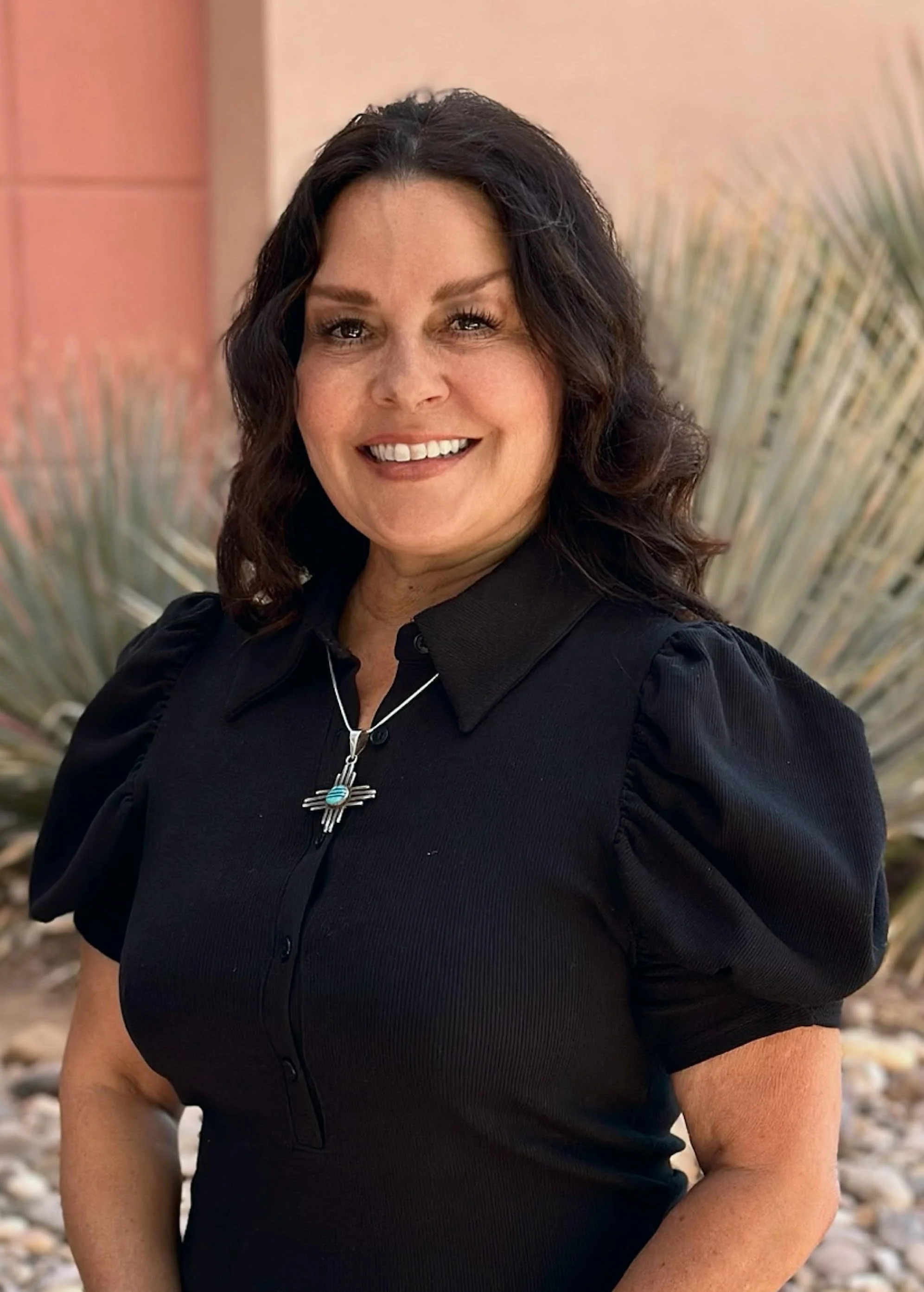
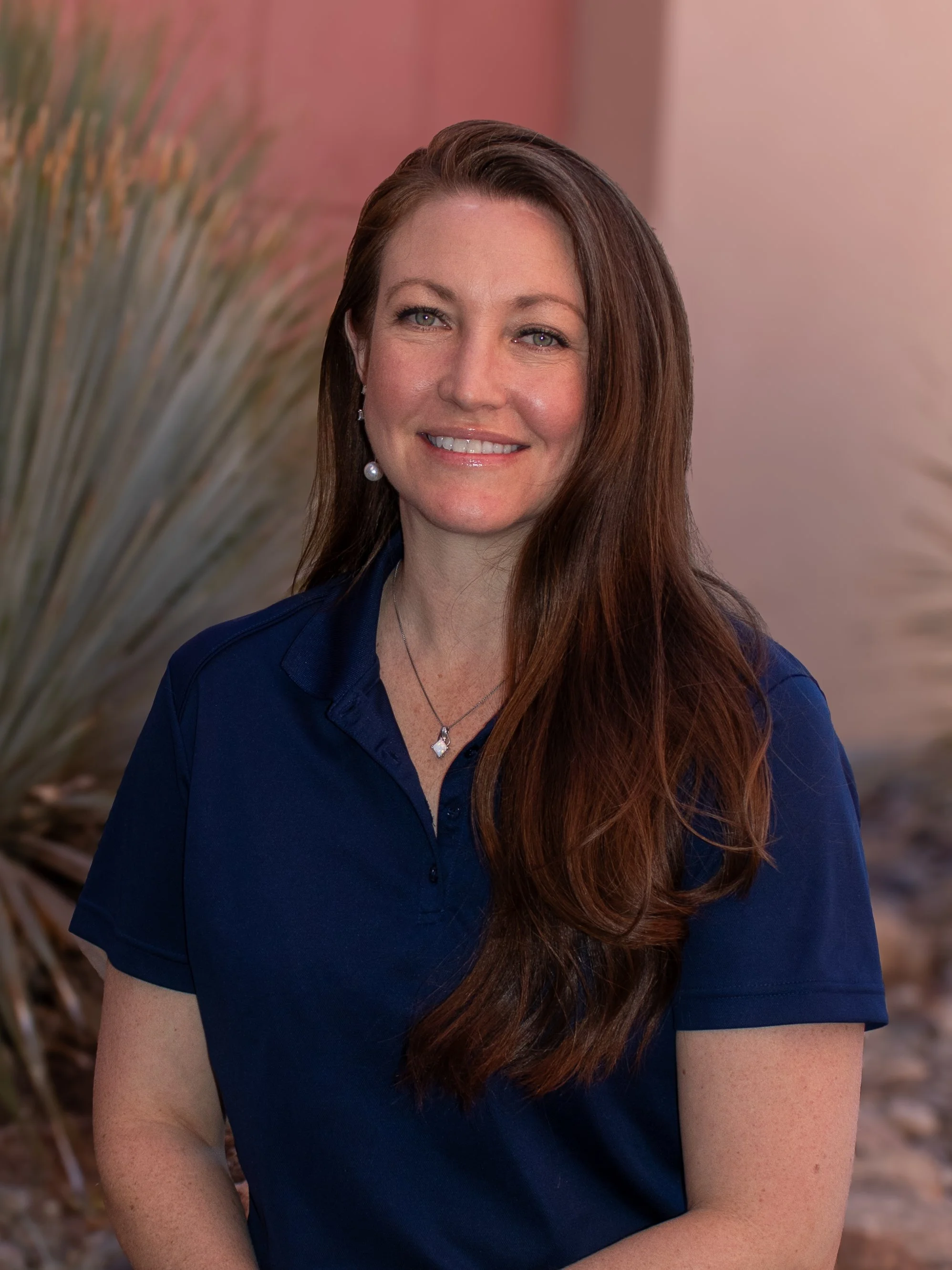
Melissa Ortiz, Tech Transfer and Transition Manager
melissa.ortiz.1.ctr@us.af.mil | 📞 505-288-0475
Cooperative Research and Development Agreements (CRADAs),
Information Transfer Agreements (ITAs)
Non-Disclosure Agreements (NDAs)
Commercial Test Agreements (CTAs)
Joint Ownership Agreements (JOAs), and/or Patent License Agreements (PLAs)
Shannon Carr, Program Manager
shannon.carr.3.ctr@us.af.mil | 📞 505-321-3542
Education Partnership Agreements (EPAs)
| 📞
For other questions you can send an email to afrl.rdox.orgbox@us.af.mil
During these meetings, the T3 staff will evaluate the proposed collaboration and recommend the most suitable mechanism for the partnership. As part of the initial consultation, the T3 staff will also provide the necessary templates and instructions to ensure a smooth and efficient process moving forward.